ADAMFAROUKBLOG.COM
  • Home
  • About
  • Contact

Adam Farouk's Official Blog

Explorations into art, humanity, and personal development, by musician, ideasmith, creative adventurer, and social entrepreneur, Adam Farouk.

VISIT ADAM'S OFFICIAL WEBSITE

Watershed 2022

12/31/2022

0 Comments

 
Picture
We no longer live in a world where to be someone of renown means to have produced something of actual quality and value. I need to remind myself of this day after day, knowing that the only way one can change an existing system is if one accepts it in the first place. This is an important first step for any changemaker, possibly even more so than realizing that change occurs less by fighting against existing circumstances and more by creating ways and means that render them irrelevant.

There is a sharp divide between those who seek to do this (produce something of actual quality and value), often quietly and far in the background of major events, and the exalted influencers of today, those who revel in their ability to execute what they espy as exceptional (but that this writer sees more often as sophomoric), such as “playing the top ten songs on the radio using only four chords,” or “re-harmonizing the Beatles’ masterpiece ‘Hey Jude’.” One might argue that none of these bring benefit to humanity, and one might be right. These are activities that bring aggrandizement to the ego and self-image of their performer, and little else. I have very little time for this, which likely means I have very little time for 95% of the developed world’s Gross Creative Output aka GCP.
Picture
A thought experiment was once put forth to me by a friend of mine. A quick-witted entrepreneurial jack-of-all-trades hailing from Canada/the People’s Republic of China, he asked me and a few other friends who were over for drinks one evening to consider the dueling, conflicting goals of a) a writer, b) an editor, and c) a publisher. The writer, he said, if they’re being true to themselves, should only care about putting the story down in as authentic and accurate a way as possible. Once this is achieved, the writer in pure form will care about nothing else. 

The editor, on the other hand, if they’re being true to themselves, wants the book able to be enjoyed by as many eyes as possible. As such, they go through the text and make changes to meet this criteria, and in doing so, may in fact alter the book in a manner such as to move it away from the writer’s perfect version of the manuscript, thus creating conflict between the two individuals’ visions. 

The publisher, he went on to say, if they’re being true to themselves, wants to sell as many copies as possible—they don’t care how authentic the manuscript is, nor do they particularly care about the readers’ experience, so long as they can sell enough copies to have made the investment in the project worthwhile, so they create a spanking, shiny cover (which the editor might hate) and find celebrities (whom the writer might hate) to write praise for it on the opening pages. They get the writer on talk shows (which the writer, perhaps an introvert, hates doing), and they make available an audio book version (hiring a famous actor, and director, to interpret it, thus negating all the work that the editor did). 

These three goals are in direct conflict with one another, yet done in the correct order they create a synergy and a process via which an idea goes from nothing to success.
Picture
This is where the thought experiment ended, and, at that time (being around 2002), there was very little else to think about; in order to create art, one still needed to go through gatekeepers, publishers, record labels, distributors, and so forth. But then, somewhere in the mid-00s, seemingly out of nowhere the "Creator Economy" sparked into existence. People began to be able to simultaneously inhabit all three of the roles proposed by the thought experiment’s rudiments. You now not only had people who believed they had something to say, but who were furnished with the tools to create, from start to finish, content which would become the platform through which their ideas could reach the world. How marvelous!

Of course, as with anything, there are ups and downs.

For better or for worse, the old way, with its editors and publishers, was equipped with a built-in system of appraisal; at least two sets of eyes (and likely many more) other than the writer’s would read the manuscript and decide whether it was a worthwhile project to invest time and money into. On one hand, this might mean that many books (films, music, etc.) that were ahead of their time or in other ways risky might have been passed over, but on the other hand, these eyes could act as a sort of filtering system, only allowing through content with something (they believed was) meaningful and valuable to say.
Picture
Is the fact that this system of appraisal has all but disappeared a good or a bad thing? The question is mostly irrelevant; for creators and the audiences they reach, the new way is here. A massive democratization of creativity is upon us, and, sadly, in this writer’s estimation, humanity hasn’t much risen to the occasion. There’s more junk on the internet than there ever has been. Products like BandLab, while believing (and genuinely so, I believe) themselves to be bringing power to the masses, merely make making music a casual affair; taking the challenge out of the creation of art also strips the endeavor of its magic, and much of its meaning. 

So what is there left for the real craftspeople in this new frontier of ready-made, boil-in-the-bag ersatz creativity? I’d like to think that, for them, remembering that there was a time before machines started making chairs and tables and silverware, that these now-commodified goods were once produced painstakingly by passionate and proficient women and men. There will always be space for quality and value—remember this. Just because Ikea exists doesn’t mean that the hunger for beautiful and personal hand-made furniture has abated.

​We the conscious artisans of the world must hold on to this, this faith in higher humanity. We must not succumb to what the sellers of slick and synthetic would have us believe, that the success of their new reality should see us surrender to second-class citizenry in the creative landscape.

I end this year, this back-breaking year of love, labor, and deep loss, with a blessing. To quote (or rather paraphrase) the Jester himself:
May you grow up to be righteous,
May you grow up to be true,
May you always see the light and know the truth surrounding you,
May you always be courageous,
May your song always be sung,
May you stay forever young,
May you stay forever young.
Picture

To all you true creators: remember how special you are, and know how much you are supported. The counterfeiters and false prophets may reign for the moment, but soaring through the cosmos are the angels of the universe, crying out in passion and delight to remind us that we remain, forever, heaven blessed. Our song, the beautiful adventure that we set forth for the benefit of humanity, is fundamental, and unchanging. Remember this, always. 

Travel safe and talk soon.

-AF


HAPPY NEW YEAR, TO ALL, 2023.

Title Inspiration: Watershed (Saliers), Indigo Girls

0 Comments

An Ace That I Could Keep, Part 2

8/5/2022

0 Comments

 
Picture
Art is not easy. So many people think they are doing it every day. I’m not saying I know the difference between who are and who aren’t; to paraphrase John Cleese’s Pope Julius II, “I may not know a lot about art, but I know what I like.” In today’s anti-normative world, it’s truly impossible to say which one of a so-called pop artiste dressing herself up in bubble wrap, a rapping idiot-savant calling himself Jesus Christ, and a sixteen year old girl clothed in a tube top and little else singing “Sweet Child ‘o Mine” is art, and which isn’t (do any of them have to be?, is to me the obvious question).
Picture
Having this kind of discernment has, on the surface, very little use in today’s surface world. But I believe there is a purpose to being able to tell the difference between those in it for vainglory—Bruce Lee would refer to their journey as the Art of Self-Image Aggrandizement—and those who are in it for true excellence, and the truth that comes with it, for the sake of not merely making an impact on the world, but making a positive one, at least so far as their beliefs and conscience can guide them. I think what makes it easier to tell who’s doing what is to consider the concept of *effective art*.
Picture
What is this thing that I propose exists: effective art? I believe what makes effective art effective is that it touches us in a way that is significant. But what does this mean? Effective art (think of a song that still makes you cry even after you’ve heard a thousand times) creates a process through which the audience member not only passes but is also changed in a way that is both indelible and irreversible. Aristotle speaks of mimesis in the Poetics. Mimesis is a large part of this process. By employing the mimetic aspect of art, the artist may create a work that is somehow both broad-reaching enough to apply to all persons yet specific enough that one person will feel as though the work of art has been created just for them.
Because of this personal connection, the viewer will come to see themselves in the protagonist, and will share in their failures and their success. This brings us to the second part of the process, which is catharsis. Via the experience of the protagonist’s highs and lows, the viewer (or listener) experiences the artistic journey not only as the trials and tribulations of another person, but as part of one’s own story, and at the point of conclusion, the viewer (or listener) feels a very real sense of having been transfigured, cleansed, or else having experienced epiphany on a deep level. This is one of the ways the artist can employ their skill and acumen for the good, by creating and layering positive change (which, note, does not assume a “happy ending”) in the conclusions of their art. 
​
Picture
I find I can often tell between art that is created by the artists for themselves and art that is effective by locating where I experience what I often refer to as “the tingles.” When a work of art is high intensity, our autonomic reaction is to feel that intensity somewhere in our physical body. I’d wager that all of us have cried during certain movies, songs, theatrical performances, and many other expressions of art based on our preferences (visual art, dance, performance art). In my experience, art that truly touches the soul can be felt in (of all places) the sides of the arms, and the shoulders. Almost without fail, when I notice a tingling sensation there in my body, emotional catharsis is nearby, whether it manifests in the form of a deep cleansing breath, laughter, or crying.
In contrast, art created to serve the artist’s ego can be felt almost anywhere else. I’ve been confounded by this in the past, watching films or theatrical performances and feeling stirred yet also feeling a sense of emptiness and not knowing why (I’m looking at you, “Hancock” (2008)). I’ve felt my head swell in agony over a protagonist’s dramatic fall from grace. My heart has bled over a main character’s crippling anxiety. I’ve even cried watching a community be destroyed for hypocrisy and lack of oversight. But one common factor insists itself upon these three scenarios: I never felt anything in my shoulders, nor did I feel something in the sides of my arms. It seems so odd that this—the precise location of “the tingles”—be the determining factor. But, sure enough, when the dust of high emotion settled in each of these (and, certainly, many other) cases, I was left with a feeling of having witnessed something created not for the benefit of my edification, but instead for its own thirst and need for attention.
Picture
And herein lies the danger, and is why art can so easily by hijacked and turned from an activity that is intrinsically benevolent to one whose sole purpose is to fulfill a narcissistic personality’s need for self-image aggrandizement. I disagree with the (relatively recent) adage that “the head can be persuaded, but the heart is not so easily changed” (I think it’s from “Frozen” (2013) (he says, having seen it seven times)); it’s actually fairly easy to manipulate the heart, just look at how many toxic relationships remain unexamined due to family loyalty. There’s not really anything that can be done about this. As we perfect the expression of form e.g. the play, the song, the novel, the movie etc., it becomes easier for art pirates (to coin a phrase) to plunder these forms and mine them for their own selfish needs (see “United Passions” (2014)—actually, don’t.)
I would humbly put forward that awareness is the best weapon under these modern day circumstances. For me, a key component to a better life as an art consumer has been to be relentlessly conscious of the art I was consuming. I found when I was willing to question what was placed in front of me, I became far less willing to leap into the jaws of the predatory pseudo-art that found it way into my purview simply because its creators owned all the distribution outlets (now who might I be talking about? … I still like Frozen.) It’s certainly made me less hip—to this day I have never heard the radio offering known to many as “Uptown Funk,” in fact I’m not sure I’ve heard a new song since 2012, except for that Mendez/Cabello duet from a few years ago (to be fair I was just out of inpatient and was trying to find my roots among free humans by listening to *anything* that came on the radio) and something by Taylor Swift about how some people need to calm down—I actually like that one.
Picture
No, I’m not a doom and gloom, everything after 1986 sucks, kind of guy. There are always new, wonderful discoveries to be made as a consumer of art (the jewel that is “Ted Lasso” to name one.) I wonder if we’re not on the precipice of a new *slow art* movement, perhaps similar as to what happened at the transition from the 80s into the 90s, except, hopefully, a little wiser, and this time truly shedding the skin of artifice for a new kind of authenticity, where artistry and artisanship find their place again among the pantheon values of self-expression. For better or for worse I think the “influencer” is here to stay, at least for awhile, and it might be that all you need to do is film yourself eating cereal with hot sauce to be called a “creator” but to quote Keith Carradine: it don’t worry me. (Nashville (1975))
I do what I do the way I do it (this is a surely a quote). No amount of sanitized prefabricated mindless cookie-cutter entertainment can take away my love of creating art to help others. I was told at a young age by an uncle who would turn out to be one of the strongest influences of my early creative life that I should always remember to give back to society. At the time I was busy getting the crap kicked out of me by racist mobs in a Dickensian all-boys boarding school, but, thankfully, the words stuck with me. Art is the greatest blessing (shared; my wife, obviously) that I’ve received in my already pretty blessed life. It seems a natural choice to pass it along.
Picture
Some might still call me unsuccessful, and in some ways they’d be right. I have no community of crazed fans (yet/who cares, my wife would say), I have no mantelpiece full of trophies or awards (again, yet/who cares, she’d say, because she’s amazing). But in the past seventeen years, I’ve had the time and space, away from the joneses, away from the restless throng, to gruelingly put myself through the ropes; I’ve gained mastery over the fundamentals of harmony, counterpoint, lyricism, rhyme, wordplay, music production, storywriting, MIDI programming, arrangement, transcription, voice, performance, and many more areas of study that, in my opinion, form only the very basics of what it means to be an artist, a real creator. At least that’s what I think. And sure, maybe all of this is not a route to success. But I believe it to be a path to self-mastery, and, with that, a means to unlock the secret to wellbeing and abundance, in a world that truly needs it.
Picture
Travel safe. Talk soon. -AF

Title Inspiration: The Gambler (Schlitz), Kenny Rogers

0 Comments

Watershed 2021

12/31/2021

0 Comments

 
Picture
www.ivanestradaproperties.com
I’m starting to think the adage might be true, that, as we grow older, our sphere of give-a-damn starts to tighten. A gabillion zillion things happened this year, and I’m not sure I caught any of them because they weren’t in my direct purview. Also, I tend not to be of the “like, subscribe, switch on notifications” persuasion, so, when all is said and done, and for better or worse, I imagine myself a little less “influenced” than your average small-town bear. There’s a flip-side to this, of course, being that I easily made over a thousand *important* decisions this year, that no one gave a shit about. No harm, no foul.

A lack of abatement from COVID meant that, once again, the musician’s primary source of reception and feedback—the live gig—was not an option. However, knowing that the AFO once again could not come to as a performing band freed us to focus on finishing the project that we started in the murky waters of early 2020: Ray of Sunshine, specifically an AFO concept album featuring songs from the rock opera Ray of Sunshine.
​
More generally, though, we (being BlueDorian Media Entertainment’s 2021 squad, including the AFO, guest vocalists and instrumentalists, designers and artists, producers and engineers, and the organization’s core team) started to see this year as one in which we would be focusing on content, setting ourselves the underlying goal of not just producing but producing our socks off, committing to going above and beyond what we thought ourselves capable of doing, both in terms of quality as well as quantity, all the while retaining our focus and, more importantly, staying sane.

​That we succeeded at all was a surprise, that we were able to achieve what we did, a wonder, and to all involved in the past two years worth of curriculum I feel a sense of gratitude and pride—it’s one thing to pump out great material in your *prime* (such an arbitrary assessment) when everyone is cheering you on and you have the will of the fans on your side, it’s entirely another to do in the silent cave that is modern COVID-based life. The work is there, for anyone who wants to check it out (
shop.bluedorian.com). It was a thrill and a delight to work, soup to nuts, with such a talented crew of artists—I look forward to working with them again in the upcoming years.
Picture
www.brainlesstales.com
I took part in a QnA session focused around the music of Ray of Sunshine, and I was posed the question, “How can you allow your music to stream for free? How do you get people to pay for your music so you can make a living?” These are good questions, ones that I do not have the answer to. Now, granted, we at BlueDorian have yet to apply a marketing plan to our template. Our first step, still in process now, is to populate the commercial web presence (the store) with content. Anything outside of that goal, I’m not interested in, for the simple reason as to create good product requires focus, and if I’m trying to figure out how to sell my goods before I’ve built my goods, I’m not focusing. 

Still, I’ve often self-reflected that music and visual arts, despite being in the same taxonomic “class” of activity, are such polar opposites, in terms of the logistics that their practitioners are required to go through to succeed. Visual artists more or less obey the commercial maxim, that 80% of your business comes from 20% of your clients, so really, you just need to secure the 20%. Music has no such luxury. Predetermined market values are placed on our commodity in such a way as if I spent two minutes throwing together a selection of pre-written beats, versus if I spend two years composing a piece that painstakingly fuses the sounds of a symphony orchestra, renaissance vocal group, and gamelan ensemble (all of whom I had to hire), both products costs about a dollar in the marketplace of ideas.

Anyway, like I said, that’s outside of my purview, at least for now. We’ll come up with a plan at some point, when it does seem relevant. In the meantime, 2021: cheers! It feels like we hardly knew ye, but I know that’s a lie. We live in formidable times. It’s time to step on the gas, and ride off into the sunset. To that end, here's this awesome fellow:
Picture
www.istockphoto.com
Travel safe and talk soon!

​-AF

Wishing you all a HAPPY NEW YEAR 2022 :)

Title Inspiration: Watershed (Saliers), Indigo Girls

0 Comments

Please Release Me

12/24/2020

0 Comments

 
Picture
mccall.com
Greetings. It is I.

Here is the year-end summary of 2020 #BlueDorian publications and releases. If you didn't get to check them out the first time, here's a list of all of them, in one place:

Commercial Releases

The following products are now available for sale at the bluedorian online store.
Picture
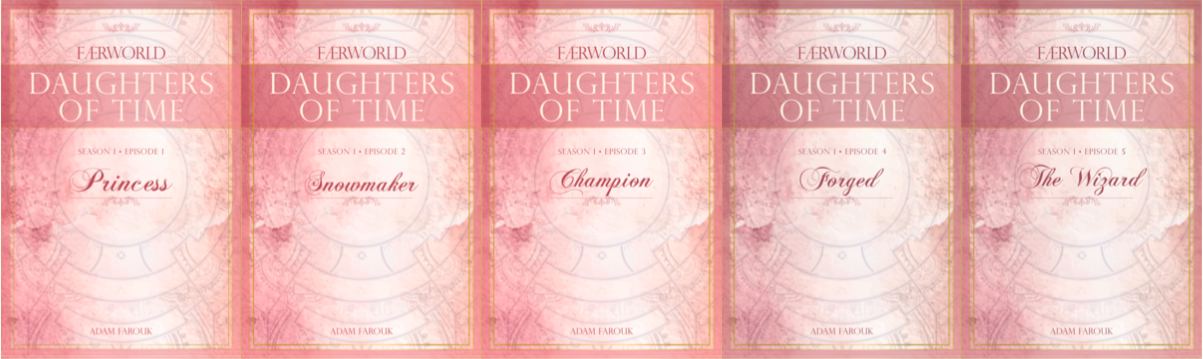
  • Faerworld Daughters of Time, Season One, Episode One
  • Faerworld Daughters of Time, Season One, Episode Two
  • Faerworld Daughters of Time, Season One, Episode Three
  • Faerworld Daughters of Time, Season One, Episode Four
  • Faerworld Daughters of Time, Season One, Episode Five

Demos

The following music tracks are available to stream, either on their respective BlueDorian project page, or (coming soon) on Soundcloud.com.
  • ​Breathe My Air Today (feat. Renée Dupuis) - Continuity
  • We Can Have It All (feat. Renée Dupuis) - Ray of Sunshine
  • Make My Day (a cappella) - Vox Globale
  • Gwen's Theme - Daughters of Time
  • Vagabond (a cappella) - Vox Globale
  • Four Seasons Theme - Daughters of Time

Visual Art

The following illustrations and designs are available, to view, as follows:
Gwen (Daughters of Time, character design) - Daughters of Time
Cameron (Daughters of Time, character design) - Daughters of Time
Roya (Daughters of Time, character design) - Daughters of Time
Anneka - (Daughters of Time, character design) - Daughters of Time

Wishing you all a happy holiday season :) from all of us at BlueDorian.
All material is © BYIP Creative Media 2020. All Rights Reserved.

Title Inspiration: Please Release Me (Eddie Miller, Bobby Dean Yount, and Dub Williams), Engelbert Humperdinck
0 Comments

In Other Words...

12/21/2020

0 Comments

 
A busy year has been had by all at BlueDorian Media Entertainment:
Picture
Though the COVID threat has kept us all bound to our homes for the better part of our days, mastering the art of remote communication has proven very much within the organization’s grasp, allowing an effective collaborative environment to be assembled from the ashes of our previous, in-person-dependent superstructure. As a result, with a little bit of front-end effort, this has been our most productive year to date.

New faces

Picture
We have the privilege of once again being able to list Andrew Goldin among the volunteer members of our general creative team. Andrew brings with him decades of experience in the fields of operations and human resources, in addition to an unflinching love for and dedication to the creative arts. A talented artist in his own right, Andrew has already made his mark earlier this year at BlueDorian, as a member of the creative team for Faerworld: Daughters of Time.
Valerie Larsen, a seasoned vocalist and longtime BlueDorian creative partner, has taken on the additional role of associate musical director for this year's In-Concert performance of States of Matter (she is also performing in it, playing the role of "Music"). Valerie is an adept and natural leader, and brings intelligence as well as poise and confidence, not to mention proficiency with music, to her role as AMD. Over the summer months, she took SOM cast through its paces, all to great effect.
Picture
Vocalists Anthony Rodriguez and Michael Spaziani brought both passion and competence at their craft to the task of bringing to life the parts of “Heart” and “Rhythm” respectively in States of Matter. We look forward to future opportunities to work with them and the aptitude and wherewithal they bring to the roles they play.
Picture
Picture
And finally, last but by no means least, the project Ray of Sunshine brought with it two new vocalists to the BlueDorian roster. Michael Kassatly, a longtime collaborator with Adam Farouk, playing the role of “Dredd,” and Derek Dupuis, a fierce multi-instrumentalist in his own right, playing the role of “Ray.”
Picture
Picture

The AFO - 2020

The AFO continues to be the main driving engine for BlueDorian’s live music curriculum, though this year we've traded in our typical late-year event for a series of "at-home"-style filmed performances. It has been once again a privilege and a pleasure to have on board such honorable and talented individuals as:
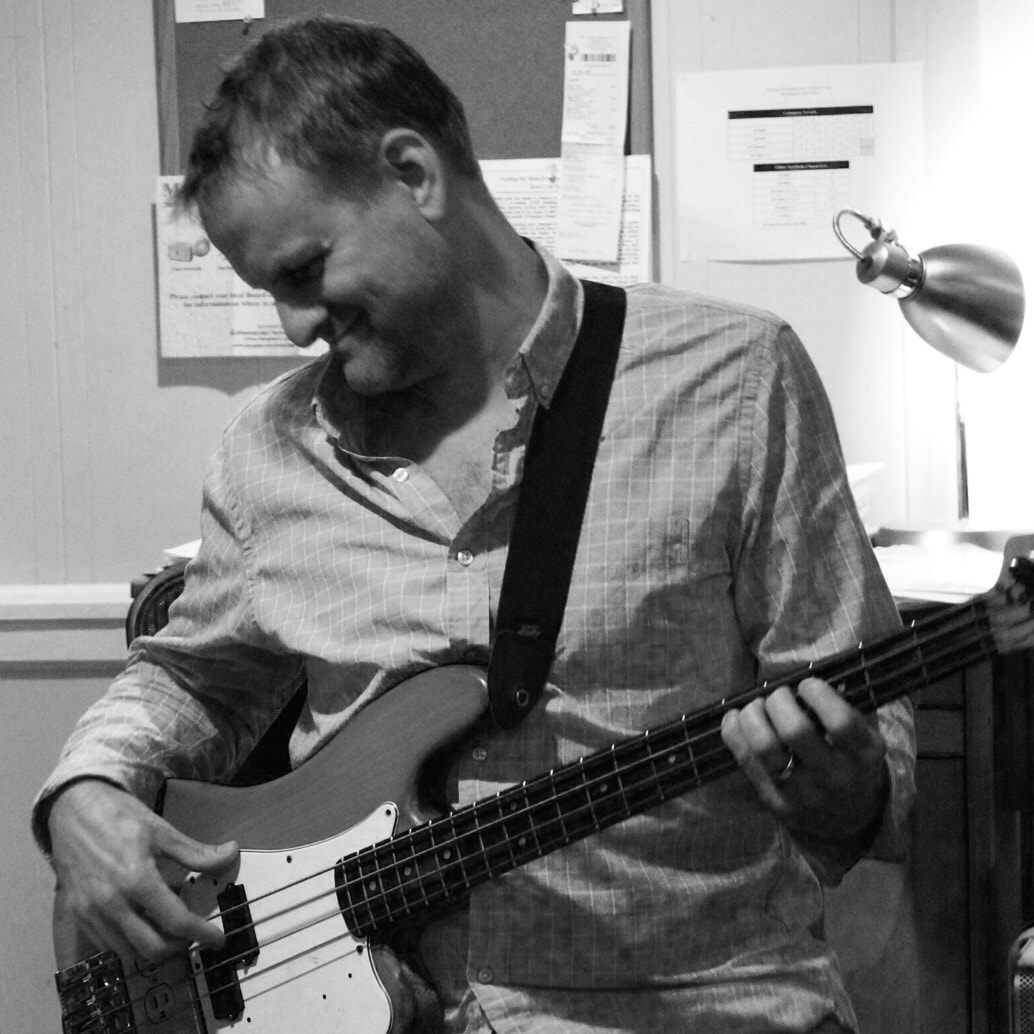
  • Tim Reppert (bass guitar, sound engineering)
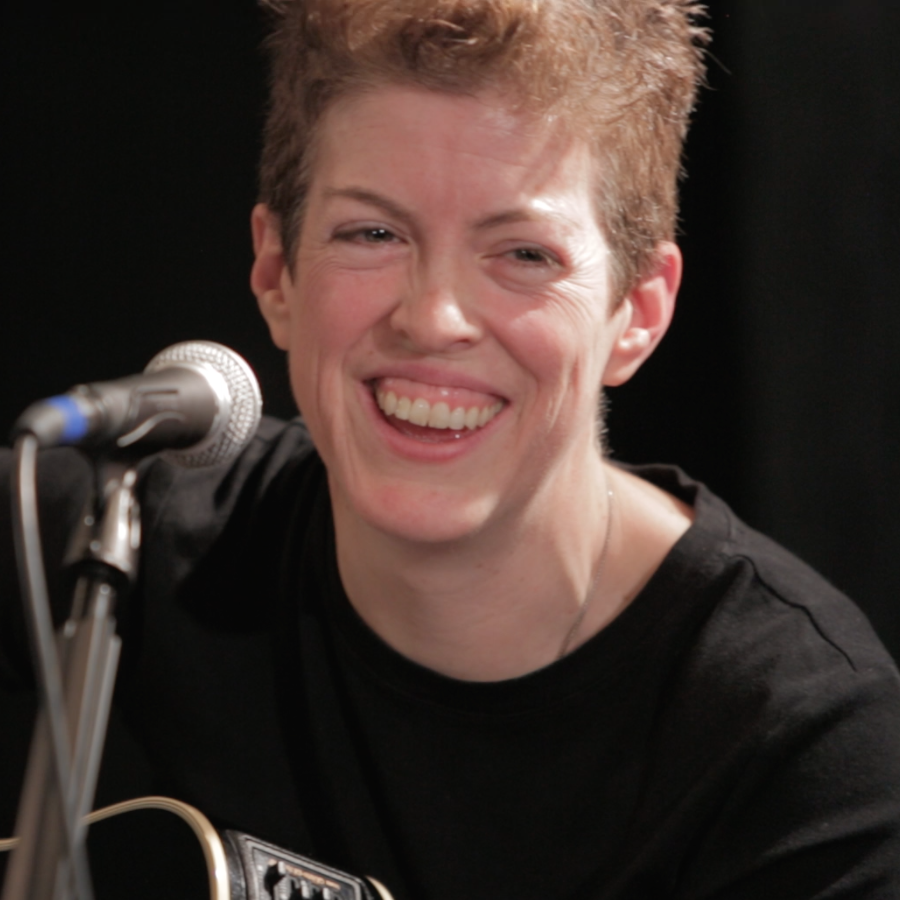
  • Elizabeth Lorrey (guitars, keyboards, vocals, sound engineering)
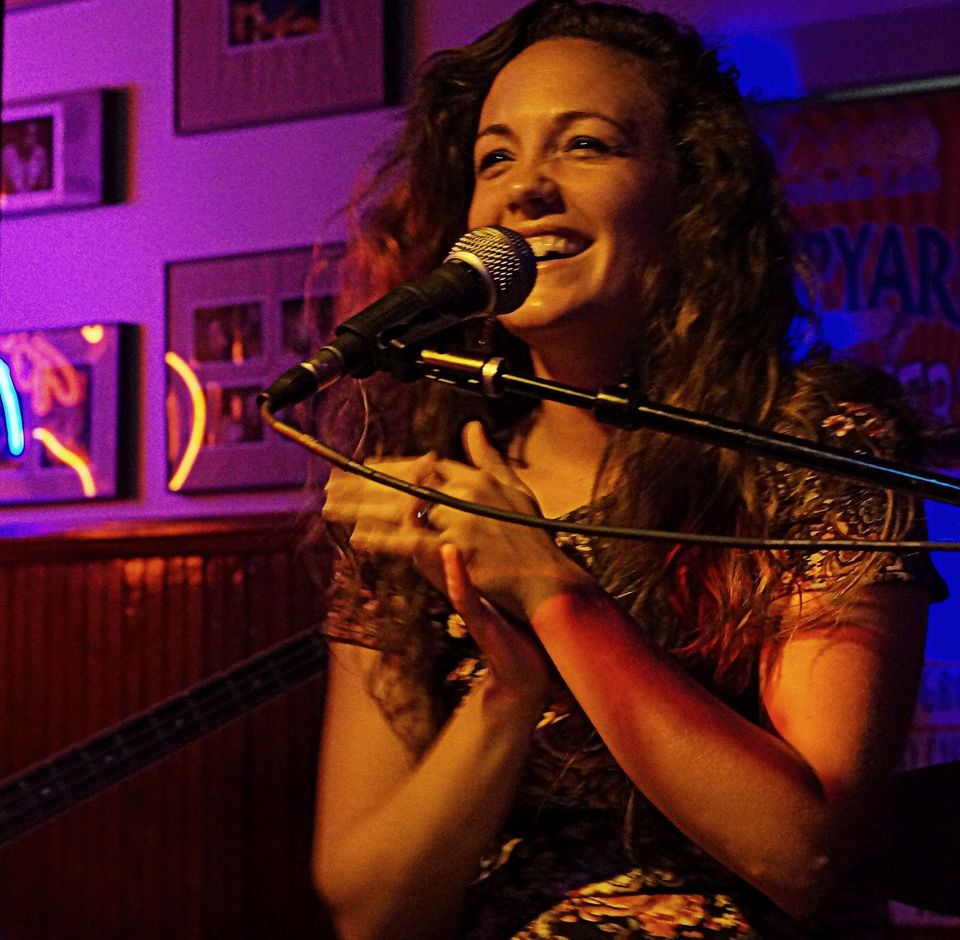
  • Renée Dupuis (keyboards, vocals)
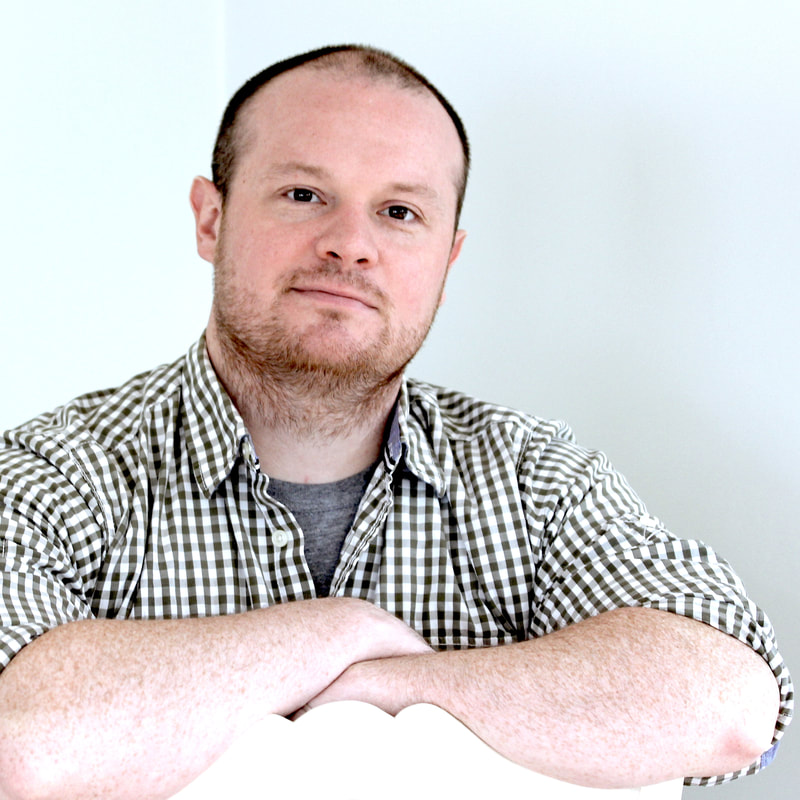
  • Dave Lieb (guitars, vocals)
  • Andrew Jones (drums, percussion)
  • Jenga (mascot)
Do check out their stuff—I’ve linked their names to their various respective web presences, and if you are involved in music or putting together a team for some creative project or other, I could not recommend them more (or, for that matter, any of the newer names on this list). They’re all awesome musicians and fantastic folks, doing great work at a time when the life of the creative artist is rife with more than its fair share of curveballs.

In addition to all these wonderful people, working on these projects brought us back in touch with a couple of familiar behind-the-scenes faces: i) Tim Bongiovanni, the wunderkind behind Northgate Studio, and ii) Ray Tarantola, music copyist to the stars and for good reason. It's always sheer creative goodness to work with people such as these who embody true professionalism, and we look forward to more opportunities to work together.

Recording Projects

We were back in the studio again after an eight-year hiatus. It's been a thrill to work with Anthony J. Resta and Karyadi Sutedja at Studio Bopnique again. I'm super excited to announce right here and now, in my trademark low-key way, that we'll be releasing, in the new year, five new tracks, a collaboration between our two studios: a studio release of "Seasons Come and Go," a new #AdamFaroukMusic single; and four live tracks from the AFO Performance "AFO 2016: Undivided - Live at the Lilypad": i) These Games We Play, ii) Light Up These Eyes, iii) Never Look Down, and iv) Passing Moments. Look out for more info on these releases in early 2021.
Picture
As part of the process of putting these releases together, we've been lucky to work with some fantastic designers to put together collateral and cover and release artwork: Jay Nungesser, Daniel O'Rourke (Blue Fox Studios), Mark Field. Please check out their work, and give them a ring with your design needs!

Story Projects

Picture
The Faerworld Universe continues to grow; Daughters of Time in particular has been cantering along, with five "episodes" available at the BlueDorian Store, and more soon to come in the early new year. We've also started a companion series to Daughters of Time and all other Faerworld titles, called the Apochrypha Enigmatis. I've been told to be sparing with what information I share(!), but suffice it to say, a compendium of articles, stories, and other miscellany, the Apocrypha is intended to enhance the reader's experience by providing backstory, context, and other vantage points from which to view the principal story.

In sum, despite (or perhaps due to) what the universe handed us in the form of a singularly absurd year, including a relentless pandemic medical crisis (I, like you I'm sure, still remember where I was when news broke that my state would be going into lockdown), global and multiple humanitarian crises, collective crises of faith, in leadership, in our own ability to see through prolonged periods of emotional darkness, 2020 ended up, somehow, as a year for the books.

Go figure. I suppose 2019 was a nasty year for me with a capital N, so maybe I'm just out of sync by a year. In any case, what I take home from this most of all is a real sense of gratitude. Being able to to stick to the itinerary that we set up for ourselves, in this year's early January, when no one could have possibly predicted how this year was going to turn out, took guts, and grit, and gumption, daresay it - a little greatness? - from everyone who showed up and made things happen, even when, any day, they could have quit or stopped walking or done anything other than participate, and no one would have blamed them.

I am humbled by their efforts, and filled with pride that I might call them colleagues.

Travel safe, and talk soon.

​-AF

Title Inspiration: Fly Me to the Moon (Bart Howard), Astrud Gilberto
0 Comments

A Memory in Three Parts, Chapter Three

1/23/2020

0 Comments

 
Continued from Chapter Two...
Picture
source: get.pxhere.com

3) One Hundred Percent

We start rehearsals.

Okay. This seems like a good place to go back to the point about there not being a show, because we do keep landing on there, thus far with very little sign of finding any resolution. As mentioned, it wasn’t as though the show lacked content. We had songs. We had characters. We had scenes. We even had set pieces. What was it lacking?

There are two aspects to this question. The first one is fairly straight-forward, and, being so, was relatively straightforward to solve: the show lacked cohesion. The numbers it was missing were those that, somehow, turn rag-tag lists of songs into a show, or at the very least a song cycle or revue. As we began rehearsals, it soon became apparent that some sort of main through-line, and the basis of a main character, were being called for to help this happen. This led to the development of some of the more dramatically involved numbers in the show, including the You Can Make Me Smile/Departures sequence, the romantic duet What Would You Do, and the psychological nightmare Nocturne. It also became clear that, while not, strictly speaking, the story’s protagonist (this is one spoiler I’m not giving away today), Soul was indeed the main character of the show—the one through whose eyes we and the audience were to traverse the proceedings—and needed to be treated accordingly. It is at this point when I cannot help but recall, somewhere between rehearsal and rehearsal, in a half-hour flash of white fury, that the epiphany song When Tomorrow Comes came into being, and solidified the character’s role as group conscience, albeit at times a reluctant one.
Picture
source: ae01.alicdn.com
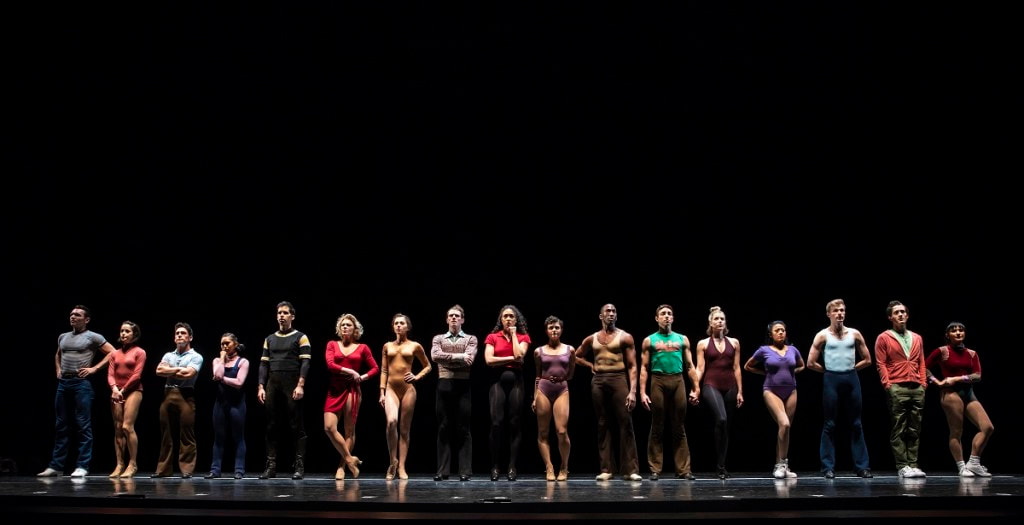
The second aspect of this question, or rather, how it was solved, has remained something of a marvel to me, since SOM went into its final week of rehearsals, even though I lived through it, second by hyper-aware second. Now, as mentioned, I had written the show as a revue, meaning it would be a collection of thematically-linked songs, scenes, and sequences, in the musical theater style. It was balanced in terms of where the peaks and troughs were, and the resolution at its conclusion was clearly delineated. We had added elements of theatrical flair, such as an airplane, built out of four stools, for the number With Wings to Fly, as well as moments to showcase the vocal virtuosity of the cast members, not to mention their dancing chops (Find the Sun, and Swing!) But on the night before performance, something about the show just wasn’t working. Fiona, our tireless director, called an emergency meeting at her house. The show’s ending, she was convinced, needed an overhaul. I was exhausted—we all were. We bundled up into enough vehicles as were needed to fit us, and headed downtown, ostensibly to save the show. 

​For my part, I had no idea what was wrong, nor what the solution was for it. I would imagine the same could be said for the cast. However, we’d come to trust Fiona implicitly over the course of rehearsals—she had never led us astray before, why would she now?
Picture
source: www.huffpost.com
We began to plunk out different combinations and permutations of how the ending three numbers would play out together, until at some point probably close to midnight, the idea appeared out of nowhere. Fiona instructed me to find a segue directly linking the fourth last (preantipenultimate, I suppose?) song to the closer, effectively erasing two songs from the show’s ending. I’ll admit, I was a little skeptical—it was a lot of music to leave out of a show that was already struggling to find its length quota. But, and this was the most significant moment that I would come to experience over the course of putting on this production—this wonderful, shoestring production—possibly one of the more remarkable collaborative moments I have experienced in my life: I simply trusted her judgment, knowing that this cut was going to make the show work, and, in turn, at least so I imagine, she trusted me, that I would be able to make that vision happen in a way that was authentic and satisfying. By then, folks had started to conk out in front of a silent TV screen with half-eaten packets of Doritos strewn across the coffee table. I put the finishing touches on the new arrangement, woke up the cast, and we ran it, once more, with feeling.

​It was magical.
Picture
source: i.ytimg.com
As for the first—and only—performance, it went well, with hardly any hitch, which was a nice way for things to befall, given how much effort we had put into putting together a show, almost from scratch, with hardly a soul noticing, in under five weeks. The airplane flew, the tap number came together, the “blind” waltz elicited tears, the reworked ending even more so. What’s interesting to me, to this day, is what that “cut” (i.e. the omission of the 2nd and 3rd last numbers from the show) ended up doing. Rather than serve the audience a perfectly balanced meal on a silver platter, it made them jump a little bit, with a jarring switch of gears that, by rights, shouldn’t work, but, I’m finding out as I continue to grow as a creator, almost always does. The song Rain (the show’s closer) in light of this becomes less of a conclusion and more of a catharsis, as the audience struggles to catch up with the emotional roller coaster created by the sudden acceleration of the characters’ collective journey.

4) Live to Tell

Flashforward twenty years. I had plans for States of Matter. In the early aughts, I remember that I was hoping to workshop it, apprentice with preeminent theatricians in various places, exotic (well, places like Singapore and Kuala Lumpur, which, to me, would be considered less “exotic” and more “home”), and turn it into a “real show,” something that might be relevant beyond its years, a piece of immortality in a fleeting world. As the years passed, I was faced with disappointing reactions to the work. The Malaysians didn’t think it was Malay enough. The Singaporeans weren’t convinced it had relevance in Singapore. I started to wonder when it became acceptable for the identity of art to become so provincial—it would have been one thing, and possibly easier to accept, if consensus had simply been that my music was terrible. Eventually, I shut the project down, in favor of more commercially viable ventures. 

Yet, every so often, I would take it out of mothballs, and look it over, maybe do some rewrites, sketch out a new song. In those times, I find myself having this ongoing conversation with myself, wherein I’d pose the question: isn’t it about time to say goodbye to States of Matter? To let go of this ten, eleven, twelve, thirteen-year-old show once and for all?


I think of Fiona’s revisions. I consider them deeply. I’ve become very clear on the fact that they were not only necessary, not only ingenious, but likely integral to the success of what I like to refer to now as “SOM 2000.” Without them, I imagine, that, while audience members would likely have still been supportive, I don’t think we would have seen the droves of moistened-eyed pundits urging their way into the green room to say hello to the cast and crew, who had worked so hard to create something so out of the ordinary that night. It was an incredibly emotional set of moments, put together by an incredibly rare combination of energies. I certainly was blind-sided, and I don’t imagine we’d be able to create this catharsis again.
Picture
source: www.shutterstock.com
​But maybe that’s just the point. We cannot recreate the magic that was SOM 2000, and perhaps nor should we. It will always have had its place in history. We have the memories, but the energy is long passed. We have all since been influenced by the ebbs and flows of time and the world song. We are different beings than we were then. What remains, if anything, of that SOM, are that which was written down, audio and video recordings of the performance, yes, but moreso, notated scores of songs, that can be read and learned by musicians, actors, and produced, and mounted on a stage. But to try and find our way back to that which was, in my opinion, would be folly. And maybe that’s all well and good.

Think of the experience of living history. I have friends who participate in this, and I have a passing interest in it myself. The idea of cooking a meal from scratch upon an open hearth to me holds in it an incredible sense of romance and adventure. So, one day I hope to create circumstances that will allow me to do such a feat, and, once done, have myself and my loved ones enjoy the fruits of our labors. But that doesn’t mean I have a wish to live in, say, the 18th century. I’m happy, in this case, to let the past be the past, while allowing, even chasing, for certain experiential aspects of this past to exist in the present. This is what’s called a dialectic, two contradictory poses that exist as one; life is full of them, and, I’m learning, the more of these apparent paradoxes I can come to understand, the more of them I can accept in life. And the more I can accept in life, the more opportunities there are, and the more options open up. At least, that’s what seems to make logical sense to me.

What is States of Matter, and what is its relevance in my life? On one hand, it’s a twenty-year-old piece of music theater that doesn’t particularly represent who I am now as a writer. Yet, and on the other hand, I have a great deal of love for it. And I do believe that, in all its sentimentality and generic inspirationalism, it still has things to offer in the marketplace of ideas, especially to young people or anyone who might be undergoing a process of loss of innocence, and a re-deciding of who they are, and, more importantly, who they would like to be. We are all the fearless explorer. We are all the shrewd pragmatist. We are all the turbulent psyche. And we are all the wise sage. We all wander through the rain, and we all long for home. This year we mark the 20th Anniversary of States of Matter’s first, and only, performance. In honor of it, we will be presenting, “States of Matter: In Concert”—an abridged version of the original show, in concert form, with select new material, and brand new orchestrations. Details to follow at bluedorian.com. We look forward to joining with you, in heart, music, rhythm, and soul.
Picture
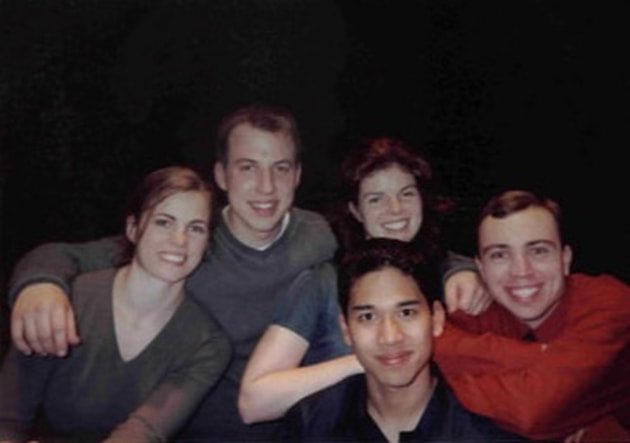
States of Matter, The Company, from left to right: Jennifer McDonald (Music), Steven J. Engelbrecht (Rhythm), Elizabeth Geuss (Soul), Adam Farouk, and Bill Meakem (Heart); image courtesy JM.

0 Comments

A Memory in Three Parts, Chapter Two

1/22/2020

0 Comments

 
Continued from Chapter One...
Picture
source: www.glassdoor.co.in

1) Sail Away

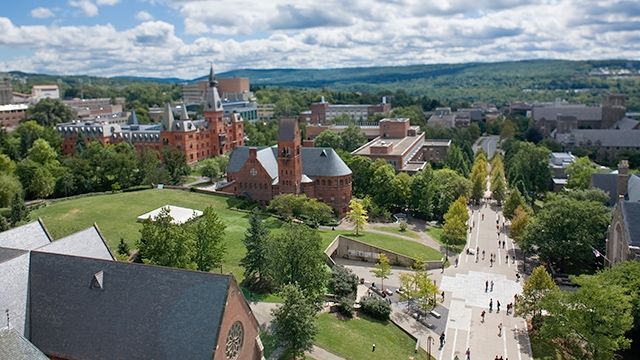
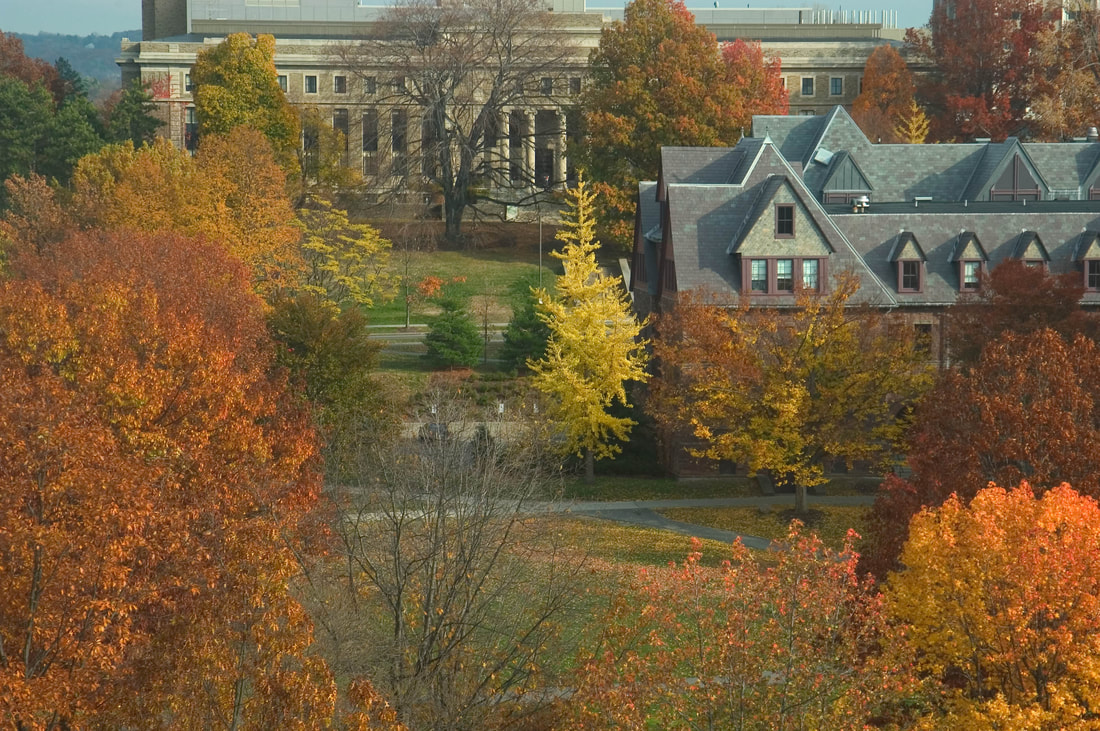
Flashback to the fall of 1999. I’m a newly reinstated junior at Cornell University, Ithaca, New York, having spent the previous semester on academic leave of absence, in order to, ostensibly, decide whether or not tertiary education was indeed the thing for me. In truth, a lot of me was still unsure, but for the most part it seemed like the thing to do, to keep me out of trouble, so to speak, and, in retrospect, given the influence my being-there has had upon so many factors of my current existence, it’s hard to imagine what my life would have been without my having returned as I did. By then, I had had several bouts of musical theater fever, and was firmly ensconced in its grasp. I found myself spending time with its practitioners, including dating, on, then off, then on again, then off again, a woman of rare talent in the field. Through osmosis and exposure alone, I found myself lucky enough to glean no small amount of education in what for me continues to be a noble and fascinating subject.
Picture
source: nystagereview.com
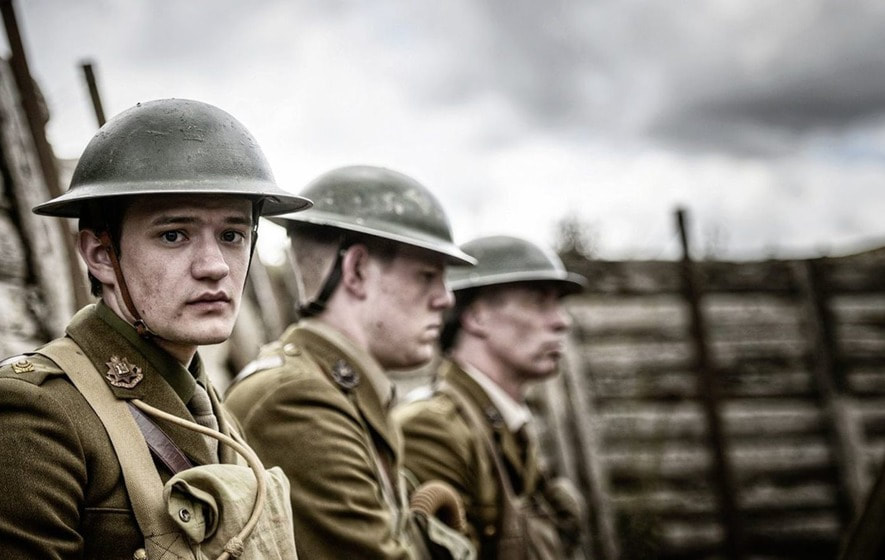
“States of Matter” had come a long way. Over the summer of 1999, I found myself in something of a writing glut, scratch-crafting songs that would go on to become some of the cornerstones of SOM, songs such as: Walking Away; With Wings to Fly; and Call of My Life—these titles may not be familiar to many of you, which, I’m realizing, is one of the reasons why I am writing this blog. But more on that to come. Over the fall, I took on my first major writing challenge, which was a mini-musical story that would eventually serve as the basis for SOM’s Memory and Visitations, Part One. I had long been a fan of R.C. Sherrif’s “Journey’s End,” and with more than a passing interest in World War One history, it felt natural, for me at least, to draw from both to create the backdrop for the Sail Away segment of the show. Unaccustomed, at the time, to writing music that served either characters or a story, writing the plucky young soldier, around whom the plot was centered, was fiercely uncharted territory, and brought with it no small complement of fears and concerns.
Picture
source: www.irishnews.com
Fortunately, I had not arrived at the gates of this endeavor empty handed. Over the years, I had been fortunate enough to work with some incredibly talented individuals in the arenas of choral singing and a cappella. Even more a blessing, however, was that, among this community, there were individuals who were as rapt by musical theater as I was. In this way, three of the four cast members of States of Matter were found: Bill Meakem, who brought a stunning, lilting tenor, and an irrepressible energy to the role of the idealistic conscript; Steven J. Engelbrecht, whose commanding and charismatic baritone, not to mention his dance prowess, perfectly suited the roles he was to inhabit, and Elizabeth Geuss, whose sassy and sagacious coloratura infused her part with all the wit and wisdom it was calling for. Fortuitous, and fortunate, it would turn out. To this day, I remember nervously bringing sketches of Sail Away to Bill’s apartment, and playing them in so tentative a fashion as to border on contriteness. Thankfully not only were the eyes and ears supportive, but yearning, as I was, for involvement in an original work.

Sail Away was originally intended to be part of First Edition’s introductory showcase, to be held in December 1999, but for whatever reason, it never happened, which was probably all well and good, as it allowed the mini musical to be workshopped without the pressure of a looming deadline. In the meantime, songs continued to be written and workshopped, such that by the time winter break rolled around, myself, our producers Edmund Quirin and Rice Majors, and the three-quarter cast we had assembled had just about half a show under its belt. Of course, it was around this time when I also learned a very important lesson when it comes to production: better to have one thing done one hundred percent, than to have ten things done ten percent.


Picture
source: sg.news.yahoo.com
Why, you ask? Fast-forward to 2000. It’s five weeks to curtain up, and, yup, you guessed it: we have no show.

2) Music

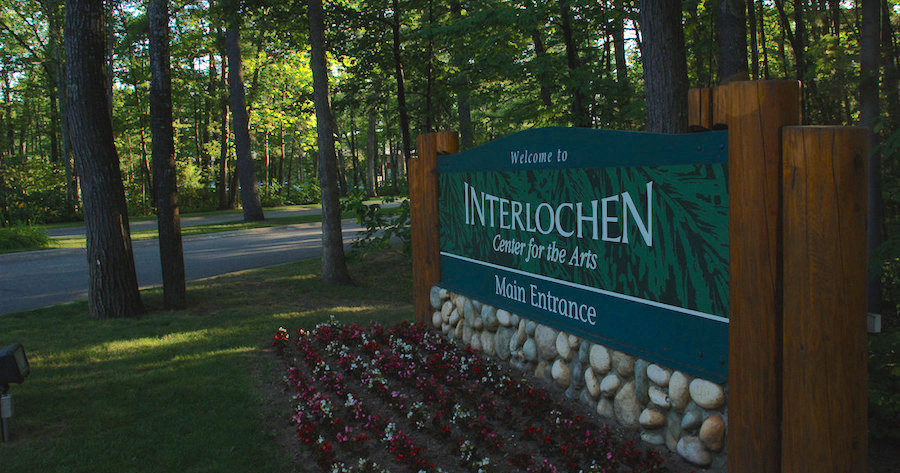
Now, by this point it should be clear, that when I say we “had no show,” rather than the total, complete absence of anything resembling a work of theater, what I actually mean is something a little bit different, linked—perhaps unsurprisingly—to the “very important lesson” mentioned above. Indeed, we had added to the inventory of working songs, including both the opener and closer, respectively: Just One Look, and Rain, the latter of which was based on the very original chord structure I had come up with, all those years ago, at Interlochen Arts Camp. We had found ourselves, in Fiona Santos and Jason Brantman, a director and stage manager with unquestionable bona fides, who were both, for some reason, willing to step onboard for the cause and take the helm of a novice production of a half-written show by a first-time composer. (When put that way, it seems almost foolhardy, like some sort of theatrician’s fear-factor challenge, the kind of thing that isn’t considered complete until someone’s devoured a whole raw fish.)

The most glaring omission at this point was the role of “Music,” one of the show’s four principal characters. We had already gone through two performers for the role, one of whom was a one-time stand-in for the ill-fated First Edition showcase, and the other of whom passed on the role in favor of a part in a concurrent student organization’s production of “The Lion in Winter”: understandable, even if I was a little incensed at the time. Backing up—over winter break I had put significant effort into the show’s opener: Just One Look, and it was then when one key component of the show was solidified: there were to be four cast members, two men, two women, and each character was represent one of four “states,” namely: Heart, Music, Rhythm, and Soul. Don’t worry too much about what this all means—it’s a bit like the characters from the movie “Inside Out,” except derived from metaphysics rather than from emotions. This becomes one of the key precepts of States of Matter, in addition to which is the idea that all of these characters are created equal. Among them there is no top billing, and the casting of the show must reflect that, which, at present, it did.

Picture
source: www.pinterest.com
Flash forward to the spring. We’re starting to panic. We’re going through a comprehensive list of candidates the likes of which would make an election year blush. Fiona, our fearless director, has stepped in at times to play the role, and while she’s convincing, we all know it’s no long-term deal. The idea is even floated to me that my girlfriend at the time might step in and play the part. Now, she’s a professional actress, with years of training under her belt, while the current members of the cast, talented and dedicated as they are, are ultimately student amateurs. Such a disparity in experience and practical knowledge of the craft would only serve to highlight any inequality that may exist between them, in addition to going against one of SOM’s core precepts (see above). It’s a glaringly obvious fact, one for which I gain no points whatsoever in pointing out to her. No big deal, I’m told, by everyone; the fact that I find myself newly single by midsummer is surely just coincidence.

We finish going through the list, and no one is particularly suitable. The actors won’t handle the intricate musical numbers. The singers are lacking in character. I’m about to lose hope, when who do I run into in the university chapel’s basement (a common hangout for choral singers—trust me, it’s not as weird as it sounds) other than one of my oldest of college friends, who quite literally walked up the slope with me on the first day of class: 
Jennifer McDonald, who, I’d often thought, would have been a shoe-in for the part of “Music,” with her clean belt and natural sense of introspection, but for the fact that this was, ultimately, a student production, meaning cast members would have to balance academics, social lives, and other competing extracurriculars. Aware of her full schedule, I simply didn’t think to ask, until the date of the production started to loom, ever closer, and politeness was swiftly trumped by practicality. We needed a full cast; the worst that could happen was that she said no. Once again, whatever the driving force behind her taking on well more than a student ought to in a single semester, the production was blessed by her decision to participate, as it was too with now SOM veterans Bill, Steve, and Elizabeth, who were playing Heart, Rhythm, and Soul, respectively.

Continued in Chapter Three...
0 Comments

A Memory in Three Parts, Chapter One

1/21/2020

0 Comments

 
Picture
source: https://cornellsun.com
It was late January, the year 2000, and who could have ever predicted that such a rag-tag crew of haphazardly-organized, multi-passionate but painfully-inexperienced wannabe producers would have grown into a steadfast company of creative entrepreneurs, bound and determined to bring to life a theatrical production, whose success, be it artistic, financial, or otherwise, was far from assured. The presentation in question was an experimental musical revue I’d been writing on and off for the past three, or six, years, depending on to whom you spoke. By winter’s end, still 2000, the fledgling student organization “First Edition Productions”—who was mounting the production—had found itself a director, a stage manager, a good three quarters of the cast, the band (such as it was—one single pianist), a producer, and a venue. The other components, it seemed, could still be picked up along the way, with ample time for rehearsal before curtain up. There was, however, one small problem.

​There was no show.

Flashforward twelve years. The Mayan apocalypse approaches, and I’m inventorying my body of work as part of a comprehensive website redevelopment effort. The lead designer, going through the list of current BlueDorian projects, arrives at a collection of documents grouped together under the three-lettered acronym: SOM. I’m asked about it, and I clarify that SOM stands for “States of Matter,” which is a show I wrote, back in college. A follow-up question is posed—nothing pointed, just to gather more info on the subject; I’m asked: That’s a twelve-year-old project. Does it still have relevance in your life?
Picture
www.mynorth.com
Flashback to the summer of 1995. I’m attending Interlochen Arts Camp, a jumbled mess of emotions (me, not the camp—I take that back: also, at times, the camp), playing piano for one of the institution’s jazz bands, alongside a charming, kind, self-possessed young lady named Norah, who, unbeknownst to all of us at the time, was slowly preparing herself for when she would eventually go on to become a worldwide superstar and leading expert in the field of a mellow, mellow, oh so mellow, jazz. Meanwhile, I’m spending most of my time trying to figure out life, without ever pausing to think about whether life ever took the time to try and figure out me. My closest friend at the time is a consummate New Yorker, with an ascerbic tongue and offbeat sense of humor. We bond over the original score of the musical “City of Angels;” he introduces me to the William Finn masterpiece “Falsettos,” and a firm friendship is forged.

We decide per breakfast one day that he and I should collaborate together and write a musical. Naturally, we decide on coming up with the title for this magnum opus first (priorities, priorities). Unable to conceive of any better means for such a vital task, the method we settle on ends up being a game of word association. Somehow, from goodness knows where, we stumble our way to the phrase “States of Matter” and decide that it is fitting, which is saying very little given that we’d yet to decide on subject matter. But with the grand excitement of a new project to sink one’s teeth into, by the end of the next week, I had put down the basic chord structure to a song. My thinking was that my collaborator would finish it, by writing its lyrics. This was not to be. By then, he had made plans to withdraw from the wooded cabins of northwestern Michigan, and return to the pulse and fervor of the Big Apple. I shelved my new creation, not thinking it likely I would ever see it again.
Picture
http://www.asergeev.com
I remember the question as though I were being asked it today: Does States of Matter have relevance in my life? It—the question—tingles up, in, and around my brain, like a hyperactive triangle player, filling me with dread and incertitude. Earlier that year I’d brushed it off as a possible put-forth for some theater festival or other. A colleague of mine, whom I was speaking to on the phone at the time, validated this decision, responding with something along the lines of: Yeah, you don’t want to submit something you wrote in college. I was quick to agree back then. Now, as I find myself on the precipice of what will be States of Matter’s 20th Anniversary year, I discover that I am less assured of my convictions, wondering instead if there is a place, not merely in memory, but perennial, for this piece of barely pre-twenty-first-century art, in all its heartfelt theatrical naiveté, a place in the world dialogue, as we all stumble along together through the beginnings of a new millennium, a place in our hearts as we each take one step closer to finding the sun.

Continued in Chapter Two...
0 Comments

Watershed 2019

12/31/2019

0 Comments

 
Picture
source: youtube.com/user/KilligrewMusic/featured
The year draws to a close, and I’ll be honest with you, I’m not sure I have the energy to go twelve rounds with another one. Between the mental health diagnoses and their ongoing, and in many cases worsening, symptoms, and several emerging physiological issues as well, next year I would hardly be surprised if I were to find myself on the receiving end of something fatal, and, I have to say, some days I’m not sure I wouldn’t welcome it.

I’ve always been honest with these watershed posts. I’ve never sugar-coated my feelings. I’m really thankful for all the support I received upon reentry to the world after my hospital stabilizations this year. I can say for certain that I would not have made it through with quite as much of what little remains of my sanity intact without the calm, kind, and caring strength shown to me by friends and family, who in the face of these circumstances rallied to become the support network I never knew I had. I am deeply touched by this collective gesture, and will hold it near and dear to my heart for always.

​The weeks and months following reentry were a difficult period, and continue to be so, with symptoms showing no sign of abating—in fact, they seem only to strengthen with time. No one seems to know exactly what’s going on with me, exactly what is the matter with me, let alone how to present any coherent plan to try and heal me. I am told that the work takes time; what I experience is that with each day the symptoms become further entrenched, and increasingly more difficult to face. I spend most of my time—I may have mentioned this before—with my eyes closed, to try and escape the symptoms and the turmoil they convey.

I’ll keep this short, meaning to say that I’m winding up. I’m often loathe to make life-suggestions, believing a person’s right to choose the content of their experience to be paramount. But in going through what has been beyond the hardest year of my humble existense, I feel, for once, a sense of responsibility: that to hold my tongue in this instance might be to miss out on an opportunity to do some good, or at the very least to share some perspective that, who knows, might be worthwhile to someone out there.

So, to any and all who might find this relevant: a recommendation. Look around you, and admire all the beauty that you see, including, perhaps especially, the beauty that is yourself. Devour all there is that brings you joy to see. Watch the world. Observe it, mindfully, with curiosity, and wonder. Speaking as a person who may never be able to take the simple act of looking at the world for granted ever again, I cannot emphasize this more. The world is a beautiful place, absolutely stunning, and I miss it so much. Take in the best of the world, and leave the rest. Allow its beauty to bring you satisfaction, happiness, and joy.

​You deserve it.
Picture
source: https://resize-parismatch.lanmedia.fr
Travel safe, and talk soon. -AF

Title Inspiration:
Song: WATERSHED (Saliers)
Artist: INDIGO GIRLS
                ​Enjoy! -AF
0 Comments

Where Troubles Melt Like Lemon Drops

11/19/2019

0 Comments

 
Picture
source: https://c1.staticflickr.com
My Dearest Mack and Tosh,

I hope this finds you well. I’m writing to catch you up in more detail on some of what has been going on here with me over the past few months. I’m going to dive right in. There’s some candid content here, be forewarned.

As you know, this past April I had a major mental health emergency, and was hospitalized in a voluntary inpatient unit for several days. I was discharged quickly, with a new meds regimen, which everyone, including me, thought would solve the issues recurrent prior to my admission. Unfortunately it did the opposite, amplifying my symptoms to the point where I was basically existing in what I might describe as high-crazy mode most of the time. Long story short, the situation culminated with my readmitting myself into hospital, and spending another stint in a mental health inpatient unit.

I was, eventually, discharged again, with a different meds regimen, a different therapeutic model, and a different, more fitting, diagnosis. I am, clinically speaking, more or less stable, but the combination of symptoms make it difficult to take anything for granted. Along with the bipolar disorder, which I still have, I meet sufficient criteria to be diagnosed with borderline personality disorder, which, as we know, is simply delightful—in addition to which, I have a combination of anxiety symptoms, which express themselves most frequently in the form of panic attacks, which are severe and can strike at any time, as well as something residing in a ballpark very nearby to obsessive compulsive disorder. Together, it’s a tricky situation to manage, to say the least.

Even as I’ve recovered considerably over the past two and a half months, I still experience my symptoms considerably, especially those related to OCD. I’ll be going about my business, when suddenly I start noticing something, for example, a spot on the wall. Then, I cannot stop noticing it. I t takes up all my attention. If I try to fight—in order to stop noticing it—the symptom (i.e. the obsession about the spot) only gets worse. The only way to stop noticing it is to somehow “accept” that my mind is obsession about the spot, but this is not always easy, or possible, to do.

In these moments it’s very easy to be overwhelmed be feelings of hopelessness and darkness. The other day I had some intense dark thoughts, as a bi-product of unprocessed symptomatology. Before long I found myself questioning why I was alive, and wondering if the alternative might not be a more preferable state of affairs: a chilling place, indeed. Thankfully, with even my meager practice of coping skills, plus some help from the new meds regimen, I was able to get through these thoughts, and make it safely to the other side.

I’m realizing how important it is for me to find a way to stay connect to people, and avoid isolatory situations as far as is possible (barring writing, which, for better or worse, is typically done alone). Feelings of hopelessness can metastasize in isolation (for me, anyway). I’m looking to stay on the side of light and lightness.

If you’ve read this far, thank you, and I appreciate it. Will look forward to when our paths next cross.
​
​Travel safe. Talk soon.

-AF
Picture
source: http://www.thewizardofozmovie.com

Title Inspiration:
Song: OVER THE RAINBOW
Artist: ISRAEL "IZ" KAMAKAWIWO'OLE
0 Comments
<<Previous

    at a glance

    Adam Farouk (born April 6, 1978) is a Malaysian musician, producer, writer, and entrepreneur, currently based in the United States. He is known for his integrative approach to the creative arts, and frequently infuses his works with unlikely combinations of style, influence, and genre.
    BLUEDORIAN
    Learn more about Adam's other creative projects at bluedorian.com!
    Picture

    blog categories

    All
    Bluedorian
    Demos
    General
    Mental Health
    Multimedia
    Music
    Process
    Projects
    Recording
    States Of Matter
    Story
    Thoughts

    blog archive

    April 2025
    March 2025
    December 2024
    November 2024
    January 2024
    October 2023
    December 2022
    August 2022
    March 2022
    December 2021
    February 2021
    December 2020
    June 2020
    January 2020
    December 2019
    November 2019
    October 2019
    September 2019
    December 2017
    December 2016
    January 2016
    December 2015
    October 2015
    September 2015
    December 2014
    July 2014
    March 2014
    February 2014
    January 2014
    December 2013
    October 2013
    April 2013
    June 2012
    April 2012
    March 2012
    February 2012
    December 2011
    November 2011
    October 2011
    September 2011
    August 2011
    October 2010
    April 2010

    RSS Feed

    adamfaroukblog.com © 2018-2022 Adam Ismail Farouk /  BlueDorian® Media Entertainment. BYIP Creative Media.  All Rights Reserved.
Powered by Create your own unique website with customizable templates.